
Most Networking Advice Is Wrong. Here Is What Actually Works.
There was a man who showed up at almost every chamber event.
Every ribbon cutting.
Every monthly mixer.
Same pitch. Every single time.
He wanted me to advertise in his magazine.
He never asked who my target audience was.
He never explained who his readers were.
He never remembered a single thing I said from our last conversation.
He just wanted the sale.
Six months later he was gone.
Nobody missed him.
Everyone starts as a hunter
Most people who start networking make the same mistake.
They show up as hunters.
They want a client.
They want a sale.
They want it now.
And in doing so, they guarantee they will not get it.
This is not a character flaw.
It is inexperience.
Nobody walks into their first networking event knowing how to harvest.
Think of it like golf.
You can read every book on swing mechanics.
Watch every tutorial.
Understand the theory completely.
But until you are out there on the course, swinging, missing, and adjusting, the skill is not there.
And nobody starts on the back nine.
Even experienced salespeople fall into hunter mode when they enter a new networking group.
Being book smart does not shortcut the learning curve.
You still start on beginner.
What hunting looks like in practice
A salesperson once called me wanting to quote my auto insurance.
They led with price.
State minimum.
They did not ask what I owned.
What I wanted to protect.
Whether I even needed what they were selling.
That is hunting.
Hunters assume everyone in the room is a prospect.
They talk about their product before asking a single question.
They do not listen. They wait for you to stop talking so they can pitch again.
And here is the part most hunters never figure out.
I will not refer a hunter to someone I like.
My referral reflects my judgment.
A bad referral hurts me as much as the person I referred.
Harvesters understand this instinctively.
Hunters never do.
What harvesting actually looks like
Harvesting is showing up for six to twelve months before expecting anything in return.
It is asking questions and actually listening to the answers.
It is remembering what someone told you last time and picking up that conversation.
It is asking about Mark's golden retriever that had seizures.
It is Ed giving me a moment when I needed it.
It is walking up to the person standing alone near the wall.
The new member.
The introvert who showed up because they knew they should but has no idea what to do next.
You walk over.
You say hello.
You ask questions.
And then, without being asked, you say: "Let me introduce you to someone."
You walk that person to the middle of the room and hand them off to someone who might actually help them.
No pitch.
No ask.
No expectation of return.
That is the harvest being planted.
The referral is not a guarantee
In May 2026, I received three referrals from Alignable.
One was too small.
One did not offer group health insurance.
I do not remember the third.
But people were thinking of me.
Making introductions.
That is the rule of large numbers.
Get enough introductions and a client will eventually be in there.
The key word is eventually.
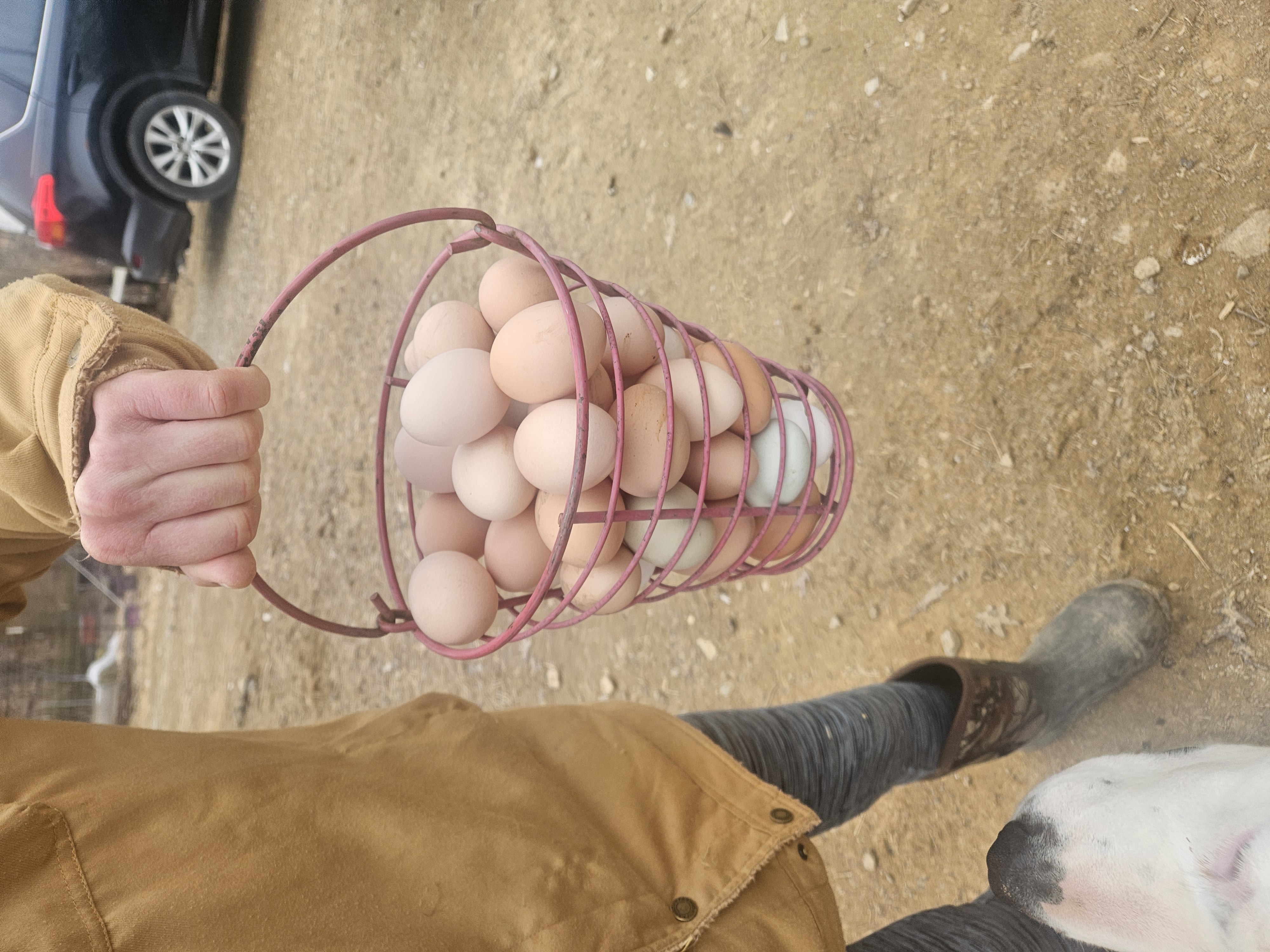
You do not plant a seed on Monday and expect a harvest on Friday.
Farming taught me that.
Networking confirmed it.
The unwatered plant
Hunters move on when the answer is no.
They do a poor job of staying in touch.
No follow up.
No reason to call back.
No additional value to offer.
So the relationship withers.
And when the prospect's situation changes, when they can finally afford what you offer, when the company grows, when the timing is finally right, they call whoever they remember.
Which is not the hunter who disappeared.
Plant something.
Water it.
Show up consistently.
The harvest comes to people who are still there when it does.
The sandbox rule
There is enough business for everyone.
The life insurance agent is not your competitor.
They are your referral partner.
The bookkeeper in the corner is not your client.
They are your introduction to ten business owners who need both of you.
Abundance mindset is not a motivational poster concept.
It is a business strategy.
Hunters who hoard leads and protect their turf eventually run out of both.
Harvesters who give freely never seem to run dry.
Jeff's story
In 2015, Jeff showed up at Small Business Matters for the first time.
I told him half-jokingly:
"If you show up once, we will forget you exist.
If you show up once a month, we will slowly get to know you.
If you show up regularly, we will get to know you and probably give you business."
Jeff remembered that.
He kept showing up.
Five or six years later, he became my coach.
I made introductions for him over the years.
He got business from those introductions (not 5 years)
The harvest came.
But it took years.
That is how this works.
Part 1 of this series: AgentDavidCares.com/group-benefits-insights
Part 3 coming soon — finding the right networking group for where you are in your business.
FAQ:
Q: How long does it take before networking produces referrals?
A: Plan for six to twelve months of consistent showing up before referrals begin to flow. The timeline shortens when you give referrals freely before expecting to receive them.
Q: What is the difference between a hunter and a harvester in networking?
A: Hunters show up looking for clients and lead with their product. Harvesters show up looking to build relationships and lead with questions. Hunters get ignored. Harvesters get referrals.
Q: How do I know if I am being too pitchy at a networking event?
A: If you have talked more about your product than you have asked questions about the other person, you are pitching. The rule of thumb: ask two questions for every statement you make about yourself.
Q: What should I say when someone asks what I do at a networking event?
A: State clearly what you offer and who you help, then ask if they know anyone who could use it. You are not asking them to be your client. You are asking them to think of someone they know. That is a much easier yes.
David Vudragovich · AgentDavidCares.com · Licensed Independent Group Benefits Advisor · Pikeville, Tennessee